
Customs Procedures
Customs Post-Clearance Audits: What EU Businesses Must Know
Customs post-clearance audits in the EU are risk-based checks conducted after goods have been released to verify compliance with customs legislation.
7 min read
EORI, AEO, declarations, and the steps to clear customs.
Customs post-clearance audits in the EU are risk-based checks conducted after goods have been released to verify compliance with customs legislation.

Postponed VAT accounting (PVA) allows EU businesses importing goods to account for import VAT on their regular VAT return instead of paying it immediately at…

The AEO self-assessment questionnaire is a mandatory tool for businesses seeking Authorised Economic Operator (AEO) status within the EU.
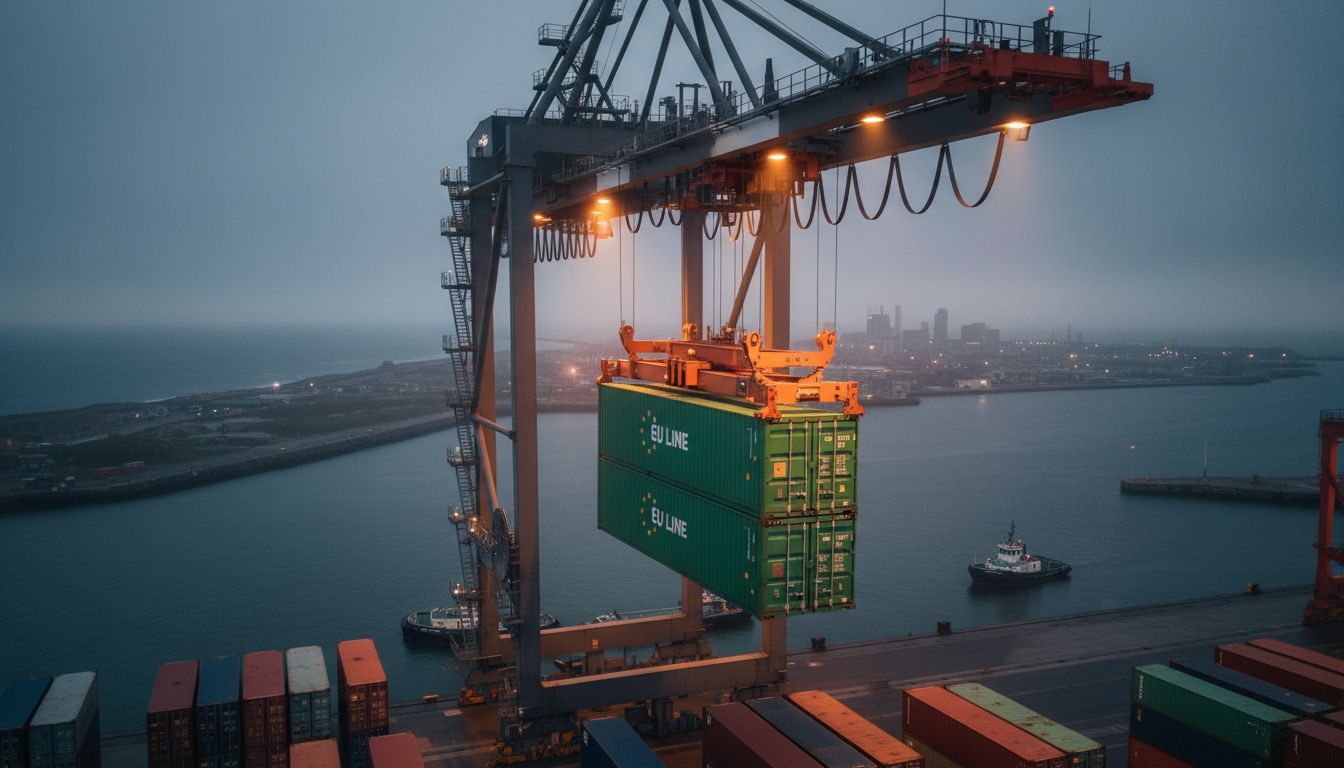
Centralised clearance allows authorised EU economic operators to lodge customs declarations and complete customs clearance with a single customs office, even…

Learn how a mid-sized EU importer faced penalties and fees by incorrectly using an ATA carnet as an export declaration, and how to prevent such costly customs errors.

The UCC transitional provisions establish temporary rules allowing EU businesses and customs authorities to continue using certain legacy systems, formats…

Customs debt arises when goods are placed under customs procedures or released for free circulation in the EU.

EU AEO status is a certification granted to economic operators demonstrating compliance with customs and security standards, enabling them to benefit from…
Short, focused answers on customs procedures.
Dutifi's AI customs broker classifies goods, calculates duties and checks compliance for every shipment.