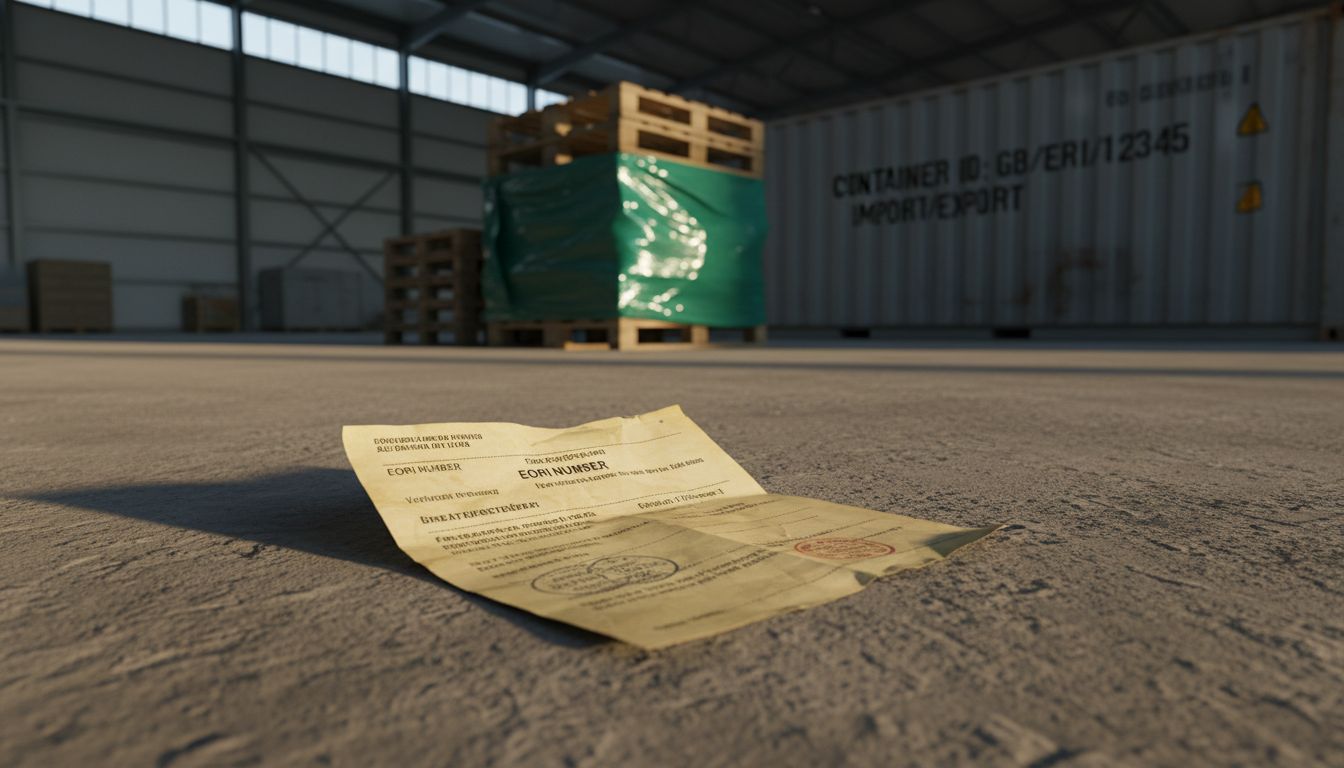
EORI: Rules for EU Importers
Quick answer
An EORI number is a unique identification assigned to economic operators and certain other persons engaging in customs activities within the EU. It is mandatory for most importers and exporters operating in the EU single market to have an EORI number before lodging customs declarations or other customs-related documents [1], [2].
DAsk the AI Customs Broker — free, no sign-up to try.Key takeaways
- The EORI number is a unique identifier used for customs purposes across the EU customs territory [1:1].
- Economic operators established in the EU and non-EU established operators who lodge customs declarations or act in customs procedures must register for an EORI number [2:1].
- Some persons other than economic operators may also need an EORI number depending on Member State legislation and the nature of their customs operations [3].
- Registration is generally done with the customs authority of the Member State where the operator is established or where customs declarations are lodged [2:2].
- The EORI number includes structured data such as country code, unique identifier, legal status, and principal economic activity [4], [5].
- EORI data is interoperable with other EU systems such as the Carbon Border Adjustment Mechanism (CBAM) registry [6], [7].
What is an EORI Number?
The Economic Operator Registration and Identification (EORI) number is a unique identification number assigned by a customs authority to an economic operator or another person for customs purposes within the customs territory of the European Union. It serves as a single reference number for all customs activities across the EU Member States, facilitating the exchange of information and customs clearance processes [1:2].
The EORI number format consists of the two-letter ISO country code of the Member State that issued the number, followed by a unique identifier assigned by that Member State. The number may include additional coded information such as the legal status of the operator and principal economic activity, ensuring precise identification and classification within customs systems [4:1].
In practice, the EORI number is required on all customs declarations and related documents submitted to EU customs authorities. It enables customs authorities to identify the operator quickly and consistently, streamlining procedures such as import, export, transit, and temporary admission [1:3].
Who Needs an EORI Number in the EU?
Economic operators established in the customs territory of the European Union who engage in customs activities must obtain an EORI number. This includes importers, exporters, carriers, and other entities involved in customs declarations or customs procedures [1:4].
Furthermore, economic operators not established in the EU but who lodge customs declarations or act as carriers within the EU customs territory must also register for an EORI number before engaging in such activities. This registration is required prior to lodging customs declarations for imports, exports, transit, temporary storage, or summary declarations, among others [2:3].
The registration must be done with the customs authority responsible for the place where the economic operator lodges the customs declaration or applies for a customs decision. This ensures that the operator is properly identified and can be monitored for compliance with customs legislation [2:4].
Persons other than economic operators may also be required to register for an EORI number if their activities necessitate it under Member State legislation or if they engage in operations for which an EORI number must be provided according to EU customs rules. However, occasional declarants who lodge customs declarations infrequently may be exempted from registration if justified by the customs authorities [3:1].
When is an EORI Number Not Required?
There are limited circumstances under which an EORI number is not required. For example, persons other than economic operators who only occasionally lodge customs declarations may be exempted from registration if the customs authorities consider this justified. This derogation aims to reduce administrative burdens for occasional users of customs procedures [3:2].
Additionally, certain customs declarations do not require the economic operator to have an EORI number before lodging. These include declarations related to placing goods under temporary admission, re-export declarations to discharge temporary admission, declarations under the common transit procedure by operators established in common transit countries, and declarations under the Union transit procedure by operators established in Andorra or San Marino [2:5].
Economic operators acting as carriers for transport by sea, inland waterway, or air may also be exempt from EORI registration if they have been assigned a third country unique identification number recognized by the EU within a third country traders’ partnership programme [2:6].
EORI for Non-EU Established Economic Operators
Economic operators not established in the customs territory of the EU must register for an EORI number before engaging in customs activities within the EU, except for specific exemptions noted above. This registration is a prerequisite for lodging customs declarations, entry or exit summary declarations, temporary storage declarations, or acting as a carrier in transport operations [2:7].
The registration of non-EU operators ensures that customs authorities can uniquely identify and monitor these operators, facilitating compliance and risk management. The EORI number assigned to non-EU operators follows the same structure as for EU operators but is issued by the customs authority where the declaration or customs decision is lodged [2:8].
This requirement is fundamental for the proper functioning of the EU customs system and supports interoperability with other EU regulatory frameworks, including the Carbon Border Adjustment Mechanism (CBAM) [6:1].
How to Register for an EORI Number
Registration for an EORI number is carried out with the customs authority of the Member State where the economic operator is established or, for non-established operators, where the customs declaration or application for customs decisions is lodged — the exact process and requirements vary; see our EORI number guide by country for the specifics. The process generally involves submitting a registration request with the required data elements as defined by EU customs legislation [2:9].
The registration data must comply with the common data requirements and formats established under the Union Customs Code and its implementing regulations. These include identification details, address of establishment, VAT or tax identification numbers, legal status, contact information, and principal economic activity codes [4:2], [5:1].
Once registered, the customs authority issues the EORI number, which is valid throughout the EU customs territory. The number is unique and must be used in all customs declarations and related communications with customs authorities [1:5].
Operators should ensure their registration data is accurate and up to date to avoid delays or issues in customs processing. Where necessary, operators can update their EORI data with the relevant customs authority [6:2].
EORI Data: What Information is Collected?
The economic operator identification and registration system collects a comprehensive set of data to uniquely identify and classify operators for customs purposes. The data includes:
- EORI number and country code
- Full name and short name of the operator
- Address of establishment or residence, including street, postcode, city, and country code
- Date of establishment
- Legal status (e.g., natural person, legal person, association)
- Principal economic activity code according to the NACE classification
- VAT or tax identification numbers
- Contact details including contact person name, telephone, fax, and email
- Consent flag for the disclosure of personal data
- Start and expiry dates of the EORI number
- List of establishment addresses if multiple locations exist
This data set is standardized across the EU and is interoperable with other EU databases and registries, such as the CBAM registry, to ensure consistency and facilitate compliance monitoring [6:3], [7:1], [5:2].
The collection and processing of EORI data comply with data protection rules and are limited to what is necessary for customs purposes. Operators can expect their data to be handled securely by the relevant national competent authorities [6:4].
EORI and CBAM: Interoperability
The Carbon Border Adjustment Mechanism (CBAM) registry, established under Regulation (EU) 2023/956, interoperates with the economic operator identification and registration system to ensure that operators subject to CBAM reporting obligations are correctly identified and monitored [6:5], [7:2].
EORI data serves as a key reference in the CBAM registry, allowing for the seamless exchange of information between customs authorities and CBAM administrators. This interoperability supports the enforcement of carbon-related import duties and reporting requirements during the CBAM transitional period and beyond [6:6].
For EU businesses, this means that maintaining accurate and up-to-date EORI registration data is essential not only for customs compliance but also for meeting CBAM obligations. Operators should coordinate with their customs authorities to ensure that their EORI data is correctly reflected in the CBAM registry [7:3].
FAQ
Do I need an EORI number to import into the EU?
Yes. Economic operators established in the EU and non-EU operators who lodge customs declarations or act as carriers must have an EORI number before importing goods into the EU customs territory [1:6], [2:10].
How do I get an EORI number in the EU?
You must apply for an EORI number with the customs authority of the Member State where you are established or where you will lodge customs declarations. The application requires submission of specific identification and business information as prescribed by EU customs legislation [2:11].
What information is required for EORI registration?
Required information includes the operator’s full name, address of establishment, VAT or tax identification numbers, legal status, principal economic activity, contact details, and any other data necessary to uniquely identify the operator for customs purposes [4:3], [5:3].
Can a non-EU company get an EORI number?
Yes. Non-EU established economic operators who lodge customs declarations or act as carriers in the EU must register for an EORI number with the customs authority responsible for the place where the customs declaration is lodged or customs decision is applied for [2:12].
When is an EORI number not necessary for customs declarations?
An EORI number may not be required for persons other than economic operators who lodge customs declarations only occasionally if justified by customs authorities. Also, certain types of customs declarations, such as those related to temporary admission or common transit procedures by operators in specific countries, may be exempt [3:3], [2:13].
What is the purpose of an EORI number?
The EORI number provides a unique and standardized identifier for economic operators and other persons engaging in customs activities within the EU. It facilitates customs clearance, risk management, and compliance monitoring by enabling efficient data exchange between operators and customs authorities across the EU [1:7].
This article provides a general overview of EORI rules relevant to EU importers and other economic operators. For specific cases or legal advice, companies should consult the relevant national competent authority or qualified legal counsel.
Sources
Still need the answer for your own shipment?
Ask the AI Customs Broker. It classifies, values and clears your goods against the live EU rules, and cites the regulation behind every answer.