EORI Numbers: Who Needs One and How to Register in the EU
Quick answer
An EORI number (Economic Operator Registration and Identification number) is a unique identifier required for customs processes in the EU. It applies to most businesses and individuals engaging in import, export, or transit activities within the EU customs territory [1].
Key takeaways
- The EORI number is mandatory for economic operators and certain other persons involved in customs activities in the EU [1:1][2].
- Both EU-established and non-EU businesses must register for an EORI number before lodging customs declarations or summary declarations [3].
- The EORI number format includes a country code and a unique identifier, and it is used for customs identification throughout the EU [4].
- EORI registration data includes legal name, address, VAT or TIN numbers, economic activity, and contact information [5][6].
- Occasional importers may be exempt from registration if justified by the customs authorities [2:1].
- Registration is done with the customs authority of the Member State where the operator lodges declarations or applies for customs decisions [3:1].
What is an EORI Number and Why Do You Need One?
The Economic Operator Registration and Identification (EORI) number is a unique identification number assigned by a customs authority within the EU customs territory. It serves as a single reference for economic operators and other persons interacting with customs authorities for import, export, transit, or other customs-related operations [1:2].
In practice, an EORI number is essential for businesses to:
- Lodge customs declarations and summary declarations.
- Apply for customs decisions and authorisations.
- Facilitate communication and data exchange with customs authorities across the EU.
- Ensure compliance with EU customs legislation and procedures.
Without an EORI number, a business or individual cannot complete most customs formalities, which can delay or prevent the movement of goods into or out of the EU single market.
Who Needs an EORI Number? Identifying Affected Businesses and Individuals
The obligation to obtain an EORI number primarily applies to economic operators established in the EU who engage in customs activities, including importers, exporters, carriers, and customs representatives. Additionally, persons other than economic operators may also be required to register if they carry out operations for which an EORI number must be provided under EU customs rules [2:2].
Specifically:
- Economic operators established in the EU who lodge customs declarations or summary declarations must have an EORI number.
- Economic operators not established in the EU but engaging in customs activities within the EU must register for an EORI number before lodging declarations or summary declarations [3:2].
- Persons other than economic operators who occasionally lodge customs declarations may be exempt from registration if the customs authorities consider this justified [2:3].
This means that most businesses regularly importing or exporting goods to or from the EU will need an EORI number. Occasional importers should check with the relevant national customs authority whether their activity requires registration.
How to Obtain an EORI Number: The Registration Process
To obtain an EORI number, an economic operator or person must register with the customs authority of the Member State where they are established or, for non-established operators, where they lodge their customs declarations or apply for customs decisions [3:3].
The registration process generally involves:
- Submitting an application to the relevant national customs authority.
- Providing required information such as legal name, address, VAT or TIN numbers, legal status, type of person (natural or legal), principal economic activity, and contact details [6:1].
- Receiving a unique EORI number composed of the Member State country code followed by a unique identifier [4:1].
The EORI number becomes valid from the start date assigned by the customs authority, which cannot precede the date of establishment of the operator [6:2].
Once assigned, the EORI number must be used in all customs declarations and related communications with customs authorities throughout the EU.
EORI for Non-EU Businesses: Specific Requirements and Exemptions
Non-EU businesses that engage in customs activities within the EU customs territory must register for an EORI number before lodging customs declarations or summary declarations, with some exceptions [3:4]:
- Non-EU operators must register before lodging customs declarations related to import, export, transit, temporary admission, or re-export procedures, unless specific exemptions apply.
- Carriers acting in transport by sea, inland waterway, or air may be exempt from registration if they have been assigned a third country unique identification number under a recognised third country traders’ partnership programme [3:5].
- Economic operators established in common transit countries or in Andorra or San Marino have specific registration requirements before lodging transit declarations [3:6].
Registration for non-EU operators is done with the customs authority responsible for the place where the customs declaration is lodged or where a customs decision is requested.
Understanding EORI Data: What Information is Stored?
The economic operator registration and identification system stores detailed data about each registered person or business to ensure accurate identification and communication with customs authorities [5:1][6:3].
Key data elements include:
- Customer Identification: EORI country code and unique national number, start and expiry dates of the EORI number.
- Customs Customer Information: Short and full legal names, language preferences, date of establishment, type of person (natural or legal), and principal economic activity coded according to NACE classification.
- Establishment Addresses: Full address details including street, postcode, city, and country code.
- VAT or Tax Identification Numbers: National VAT or TIN numbers where assigned.
- Legal Status: As stated in the act of establishment, with start and end dates.
- Contact Information: Names, addresses, telephone, fax, and email details.
- Consent to Disclosure: Whether personal data may be published or kept confidential.
This comprehensive data enables customs authorities to verify identities, apply customs procedures correctly, and maintain transparency and security across the EU customs territory.
Key Deadlines and Compliance Considerations for EORI
Compliance with EORI requirements involves adhering to specific deadlines and procedural rules:
- Economic operators must register for an EORI number before lodging their first customs declaration or summary declaration in the EU, whether for import, export, transit, or temporary admission [3:7].
- Non-EU operators must register prior to customs activities that require an EORI number, except for certain transit or temporary admission declarations as specified [3:8].
- Persons other than economic operators who only occasionally lodge customs declarations may be exempt from registration if justified by the customs authorities, but this is subject to national legislation and customs discretion [2:4].
- The EORI number remains valid for a period defined by the customs authority, with start and expiry dates recorded in the registration data [6:4].
- Businesses should keep their registration data up to date, including changes in legal status, address, or economic activity, to avoid compliance issues or delays in customs processing.
Failure to register or use an EORI number when required can result in customs delays, fines, or refusal of customs clearance.
FAQ
Do I need an EORI number if I only import occasionally into the EU?
Persons other than economic operators who only occasionally lodge customs declarations may be exempt from registering for an EORI number if the customs authorities consider this justified. However, this depends on the Member State’s legislation and the specific circumstances of the import activity [2:5].
What is the structure of an EORI number?
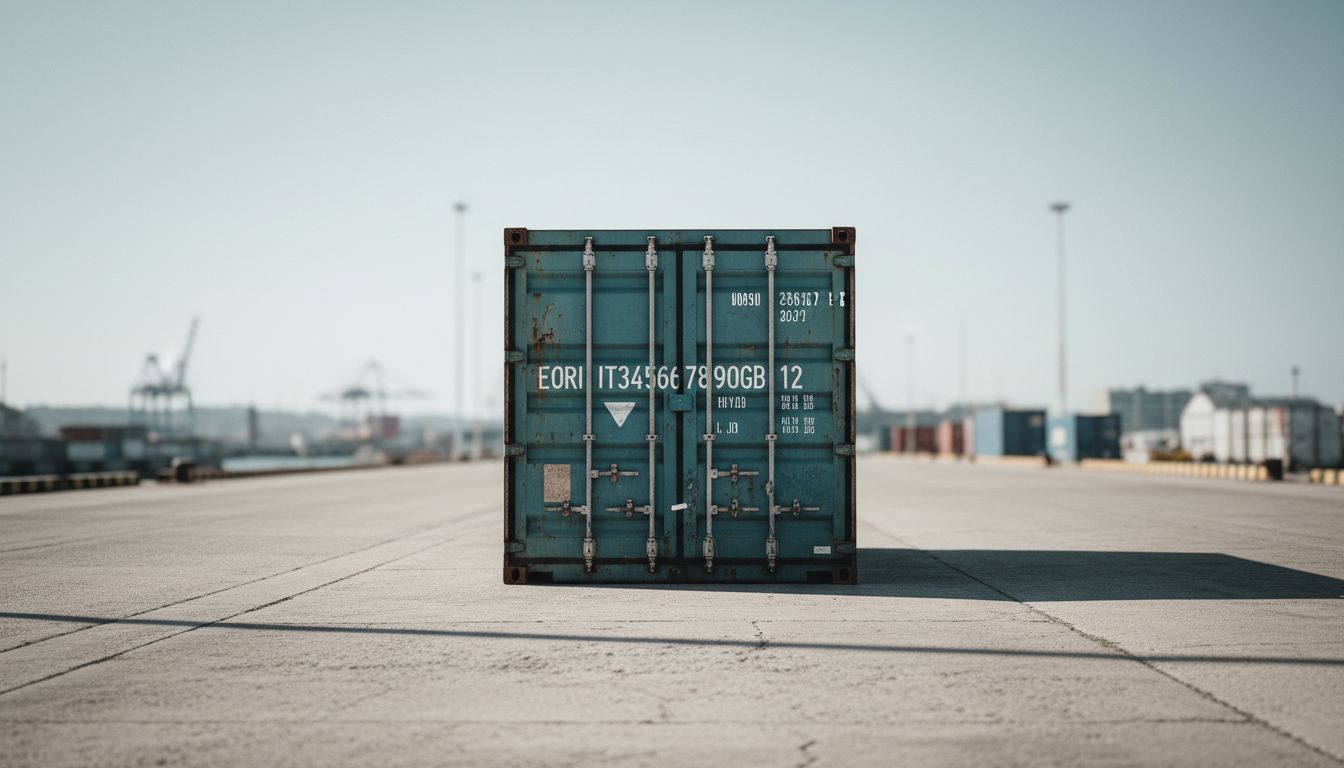
An EORI number consists of the Member State’s two-letter country code followed by a unique identifier of up to 15 alphanumeric characters assigned by the customs authority. This structure ensures uniqueness across the EU customs territory [4:2].
Can a non-EU company get an EORI number?
Yes. Non-EU economic operators must register for an EORI number before lodging customs declarations or summary declarations in the EU, except in certain limited cases such as some transit procedures or when acting as carriers with specific identification numbers [3:9].
What information is included in an EORI registration?
EORI registration data includes the legal name, address, VAT or TIN numbers, legal status, type of person, principal economic activity, contact details, date of establishment, and consent to data disclosure [5:2][6:5].
Where do I register for an EORI number in the EU?
Registration is done with the customs authority of the Member State where the economic operator is established or, for non-established operators, where the customs declaration or application for a customs decision is lodged [3:10].
Is an EORI number the same as a VAT number?
No. An EORI number is a customs identification number used for customs procedures, while a VAT number is a tax identifier for value-added tax purposes. However, VAT or TIN numbers are often included in the EORI registration data [6:6].
Sources
[Commission Implementing Regulation (EU) 2024/3210 of 18 December 2024 laying down rules for the application of Regulation (EU) 2023/956 of the European Parliament and of the Council as regards the CBAM registry, Article 24](https://eur-lex.europa.eu/legal-content/EN/TXT/HTML/?uri=CELEX:32024R3210)