EORI Number: Obligations for EU Importers
Quick answer
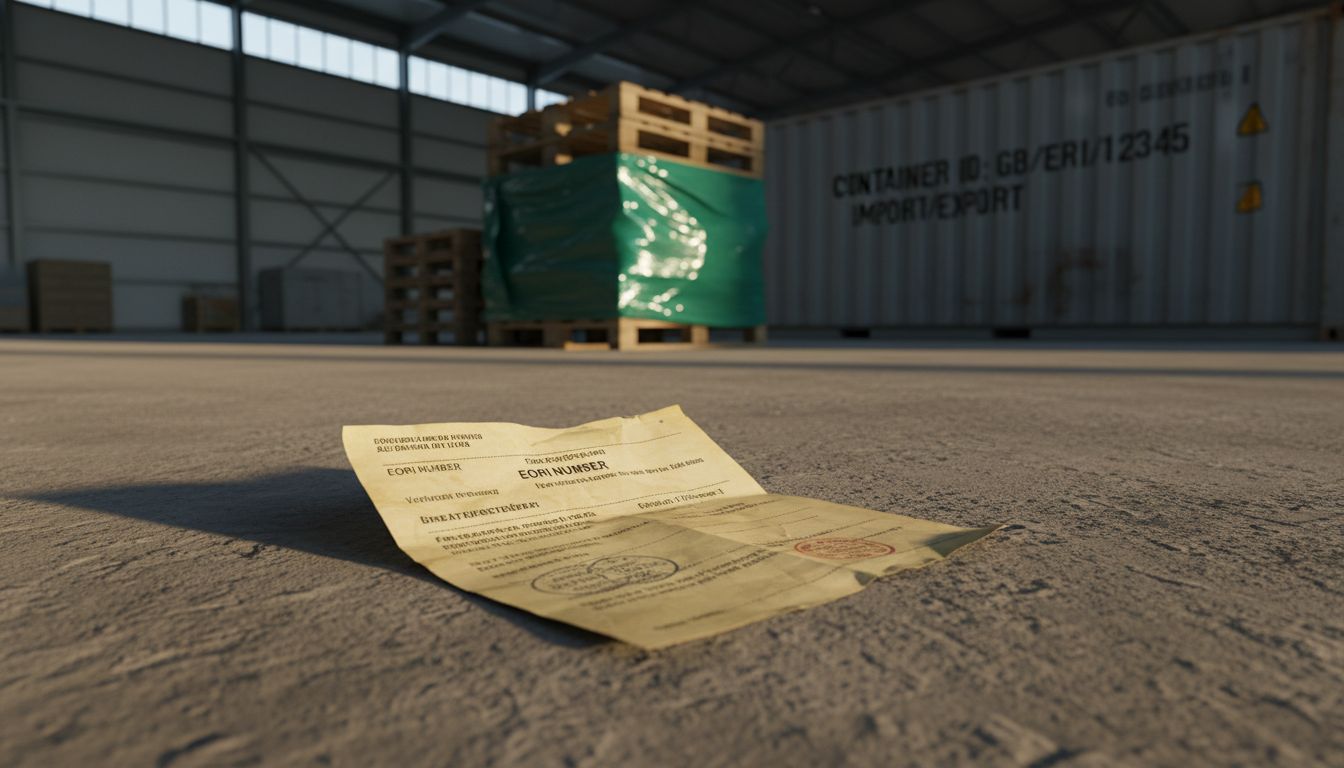
An EORI number is a unique identification number assigned to economic operators and other persons for customs purposes within the EU. It is mandatory for businesses importing goods into the EU single market to have an EORI number to comply with customs formalities and regulations [1].
Key takeaways
- The EORI number is a unique identifier used by customs authorities across the EU to register and track economic operators involved in customs activities [1:1].
- It applies to all businesses and individuals importing or exporting goods within or outside the EU customs territory, including those involved in customs declarations [1:2], [2].
- The EORI number contains specific data elements such as country code, national number, legal status, and contact details, which are stored in a central electronic system [3], [4].
- The number’s structure follows a standard format based on ISO country codes and national identifiers, ensuring uniqueness and consistency across Member States [5], [6].
- EORI numbers are also used in compliance with the EU’s Carbon Border Adjustment Mechanism (CBAM) to identify importers and declarants in carbon-related customs reporting [7].
- Customs authorities may invalidate an EORI number upon request or if the registered person ceases relevant activities, with formal notification required [8].
What an EORI Number Is and Why It Matters
The Economic Operators Registration and Identification (EORI) number is an identification code assigned by a customs authority to an economic operator or another person to register them for customs purposes within the EU customs territory [1:3]. This number is unique and valid throughout all EU Member States, facilitating the exchange of information between customs authorities and economic operators.
For EU importers, the EORI number is essential because it enables the customs authorities to identify the importer when goods enter the EU. Without an EORI number, customs declarations cannot be processed, which may result in delays, fines, or refusal of entry of goods. The EORI system supports the enforcement of customs legislation, the collection of duties and taxes, and compliance with trade policies.
In practice, any EU-based company or individual involved in importing goods into the EU single market must obtain an EORI number before submitting customs declarations or engaging in customs-related activities [1:4].
Who Needs an EORI Number for EU Trade
The obligation to have an EORI number applies primarily to economic operators established within the EU customs territory who engage in customs activities such as importing or exporting goods [1:5]. This includes:
- Companies importing goods into the EU single market.
- Exporters established in the EU who send goods to third countries.
- Other persons involved in customs procedures requiring registration, as mandated by national legislation or EU customs rules [2:1].
Persons other than economic operators may also need to register for an EORI number if they perform customs operations requiring identification, unless they only lodge customs declarations occasionally and the customs authority grants an exemption [2:2].
The EORI number is not limited to large companies; it applies equally to small and medium-sized enterprises (SMEs) and individuals who engage in customs-relevant activities. For example, private individuals exporting goods in their personal baggage may also be assigned an EORI number under specific circumstances [1:6].
Data Associated with Your EORI Number
An EORI number is linked to a comprehensive set of data that the customs authorities maintain in an electronic system designed for EORI management [4:1]. The data includes:
- The EORI number itself, composed of the country code and a national identification number.
- The country where the EORI number was issued.
- The start and expiry dates of the EORI registration.
- The legal name and short name of the registered person or entity.
- The language used for the EORI registration.
- The type of person (e.g., individual or legal entity).
- The economic activity classification.
- The registered establishment addresses and contact details.
- VAT or Tax Identification Numbers (TIN) linked to the entity.
- Legal status information, including validity periods.
- Contact persons and communication preferences.
This data enables customs authorities to verify the identity and status of the economic operator and to facilitate communication and enforcement of customs obligations [3:1].
The central EORI system is regularly updated by Member States’ customs authorities to reflect changes such as new registrations, amendments, or invalidations of EORI numbers [4:2].
EORI Number Structure and Uniqueness
The structure of the EORI number is standardized to ensure uniqueness and compatibility across the EU customs territory. It consists of two main parts:
- Country Code: The first two characters correspond to the ISO alpha-2 country code of the Member State issuing the EORI number (e.g., “DE” for Germany, “FR” for France) [5:1].
- National Identification Number: This follows the country code and is assigned by the national customs authority. It may be based on existing national registration numbers or VAT numbers, formatted according to national rules but limited to a maximum length of 17 alphanumeric characters [1:7], [5:2].
For example, a valid EORI number might look like “DE123456789” where “DE” is the country code and “123456789” is the national identifier.
Only one EORI number is assigned per person or entity in the EU customs territory to avoid duplication and confusion [4:3]. The number must be used consistently in all customs declarations and related documentation.
The EORI number format is also used for third-country operators who have a unique identification number recognised by the EU, ensuring harmonisation in cross-border trade [5:3].
EORI Numbers and Carbon Border Adjustment Mechanism (CBAM)
The EU’s Carbon Border Adjustment Mechanism (CBAM), established under Regulation (EU) 2023/956, integrates the use of EORI numbers to identify importers and customs declarants for carbon-related reporting obligations [7:1].
Under CBAM, customs authorities must inform the importer or indirect customs representative of their reporting obligations at the time goods are released for free circulation. They also communicate detailed information about imported goods to the European Commission, including:
- The EORI number of the customs declarant.
- The EORI number of the importer.
- Commodity codes, quantities, origin, and customs procedure details.
This information is then shared with the competent authorities of the Member States where the importer or declarant are established [7:2].
For EU importers, this means that the e0ri number is not only a customs identifier but also a key reference in environmental compliance and carbon emissions reporting under CBAM. Maintaining accurate and up-to-date EORI registration is therefore critical for fulfilling both customs and carbon border adjustment obligations.
Managing Your EORI Number: Invalidation and Updates
Managing an EORI number involves keeping the registration data accurate and up to date. Customs authorities have the responsibility to invalidate an EORI number in certain circumstances, including:
- Upon request by the registered person.
- When the customs authority becomes aware that the registered person has ceased the activities requiring the EORI registration [8:1].
When an EORI number is invalidated, the customs authority records the date of invalidation and notifies the registered person accordingly [8:2].
Economic operators should proactively inform the relevant national customs authority of any changes to their registration data, such as changes in legal name, address, contact details, or economic activity, to ensure compliance and avoid disruptions in customs processing [3:2].
Only one EORI number is assigned per person, so operators must avoid applying for multiple numbers within the EU customs territory [4:4]. If a company operates in multiple Member States, the EORI number issued by the Member State of establishment is valid throughout the EU.
FAQ
Where do I find my EORI number?
Your EORI number is issued by the customs authority of the Member State where your business is established. It can typically be found on customs documentation, official correspondence from the customs authority, or by contacting the relevant national competent authority.
Who needs an EORI number?
Any economic operator or person established in the EU customs territory who engages in customs activities such as importing or exporting goods must have an EORI number. Occasional declarants may be exempted depending on the customs authority’s discretion [1:8], [2:3].
Is EORI number the same as VAT?
No, the EORI number is distinct from the VAT number. Although the national identification part of the EORI number may be based on the VAT number, the EORI is specifically for customs identification and registration purposes [3:3], [1:9].
What happens if I don’t have an EORI number?
Without an EORI number, you cannot submit customs declarations or complete customs formalities for imports or exports within the EU. This may result in customs clearance delays, fines, or refusal of goods entry into the EU single market.