Looking Up an EU EORI Number: Tools and Steps
Quick answer
An EORI number is a unique identification number essential for customs procedures within the EU single market. EU importers must obtain and maintain a valid EORI number to comply with customs formalities and reporting obligations, including those related to the [Carbon Border Adjustment Mechanism](/the-eu-carbon-border-adjustment-mechanism-cbam-a-2026-compliance-guide-for-impor) (CBAM). This guide explains what an EORI number is, who needs it, how to obtain and manage it, and how to check EU EORI number validity.
Key takeaways
- The EORI number is mandatory for economic operators engaging in customs activities within the EU single market [1].
- Only one EORI number is assigned per person and it is valid across all EU Member States [2].
- Customs authorities issue and manage EORI numbers, which must be used in customs declarations and reporting, including CBAM obligations [3][4].
- EORI data includes detailed information about the operator, such as name, address, VAT or TIN numbers, and legal status [3:1][5].
- EORI numbers can be invalidated upon request or when the operator ceases relevant activities [6].
- Importers should regularly check and validate their EORI number to ensure compliance and avoid customs delays [2:1].
- The format of the EORI number follows a standard structure combining the country code and a national identifier [7].
What is an EORI Number and Why Do EU Importers Need One?
The Economic Operators Registration and Identification (EORI) number is a unique identifier assigned by a customs authority to economic operators or other persons engaging in customs activities within the EU customs territory. It serves as a single identification number for customs purposes across all EU Member States, facilitating the exchange and storage of information related to customs declarations and procedures [1:1].
For EU importers, the EORI number is essential because it is required for lodging customs declarations and fulfilling reporting obligations. Without a valid EORI number, importers cannot legally bring goods into the EU market. The EORI system supports the efficient processing of customs formalities and ensures traceability and compliance with EU customs legislation [2:2].
Moreover, the EORI number plays a critical role in new regulatory frameworks such as the Carbon Border Adjustment Mechanism (CBAM), where it is used to identify importers for reporting carbon emissions associated with imported goods [3:2][4:1].
Who Needs an EORI Number for EU Imports?
An EORI number is generally required for all economic operators established in the EU who engage in customs activities, including importers, exporters, and customs representatives. This includes businesses importing goods into the EU single market for commercial purposes and those involved in customs procedures such as transit or warehousing [1:2].
Private individuals importing goods for personal use may not require an EORI number unless they engage in customs activities beyond occasional personal imports. However, any person or entity that submits customs declarations or acts as a customs representative must have an EORI number [1:3].
Only one EORI number is assigned per person, which is valid throughout the entire EU customs territory, simplifying cross-border trade within the Union [2:3].
How to Obtain and Manage Your EORI Number
To obtain an EORI number, an economic operator must apply to the customs authority of the EU Member State where they are established. The application involves submitting required identification data, which the customs authority verifies before issuing the EORI number [8].
The customs authorities may allow applications to be submitted electronically or by other means, depending on national procedures [8:1]. Once issued, the EORI number must be used in all customs declarations and related communications.
Managing your EORI number involves keeping the registered data up to date. This includes notifying the customs authority of any changes in company name, address, legal status, or cessation of activities requiring the EORI registration. Customs authorities are responsible for recording and updating the EORI data in the central EORI system [2:4][8:2].
If an economic operator ceases activities that require an EORI number or requests its invalidation, the customs authority will invalidate the EORI number and notify the operator accordingly [6:1].
What Data is Associated with Your EORI Number?
The EORI number is linked to a comprehensive set of data that identifies the economic operator and supports customs procedures. According to Commission Implementing Regulation (EU) 2024/3210 and related instruments, the data associated with an EORI number includes:
- The EORI country code and national identifier
- The start and expiry dates of the EORI registration
- The operator’s full and short name
- Language of communication
- Establishment date and type of person (e.g., legal entity, individual)
- Economic activity classification
- Registered establishment addresses within the EU
- VAT or TIN numbers linked to the operator
- Legal status and its validity period
- Contact details including name, address, and communication preferences
- Publication agreement flags indicating whether data can be published publicly [3:3][5:1].
This detailed data enables customs authorities to identify and communicate with economic operators efficiently and supports compliance with customs and trade regulations.
The Role of EORI in Carbon Border Adjustment Mechanism (CBAM) Reporting
The Carbon Border Adjustment Mechanism (CBAM), established by Regulation (EU) 2023/956, introduces new reporting obligations for importers of certain goods subject to carbon pricing. The EORI number is a key element in this process as it identifies the importer responsible for CBAM reporting [4:2].
Customs authorities inform importers or their representatives of their CBAM reporting obligations at the moment goods are released for free circulation. They also transmit detailed information on imports, including the EORI number of both the customs declarant and the importer, to the European Commission and competent Member State authorities [4:3].
The EORI data used for CBAM reporting is interoperable with the CBAM Transitional Registry and includes all relevant identification and contact details necessary for compliance monitoring [3:4][5:2].
Therefore, maintaining an accurate and valid EORI number is critical for EU importers subject to CBAM requirements.
Checking and Validating EORI Numbers
EU importers should regularly check and validate their EORI number to ensure it remains valid and correctly registered. The EORI system is maintained electronically by customs authorities, who update it whenever new numbers are assigned or existing data changes [2:5].
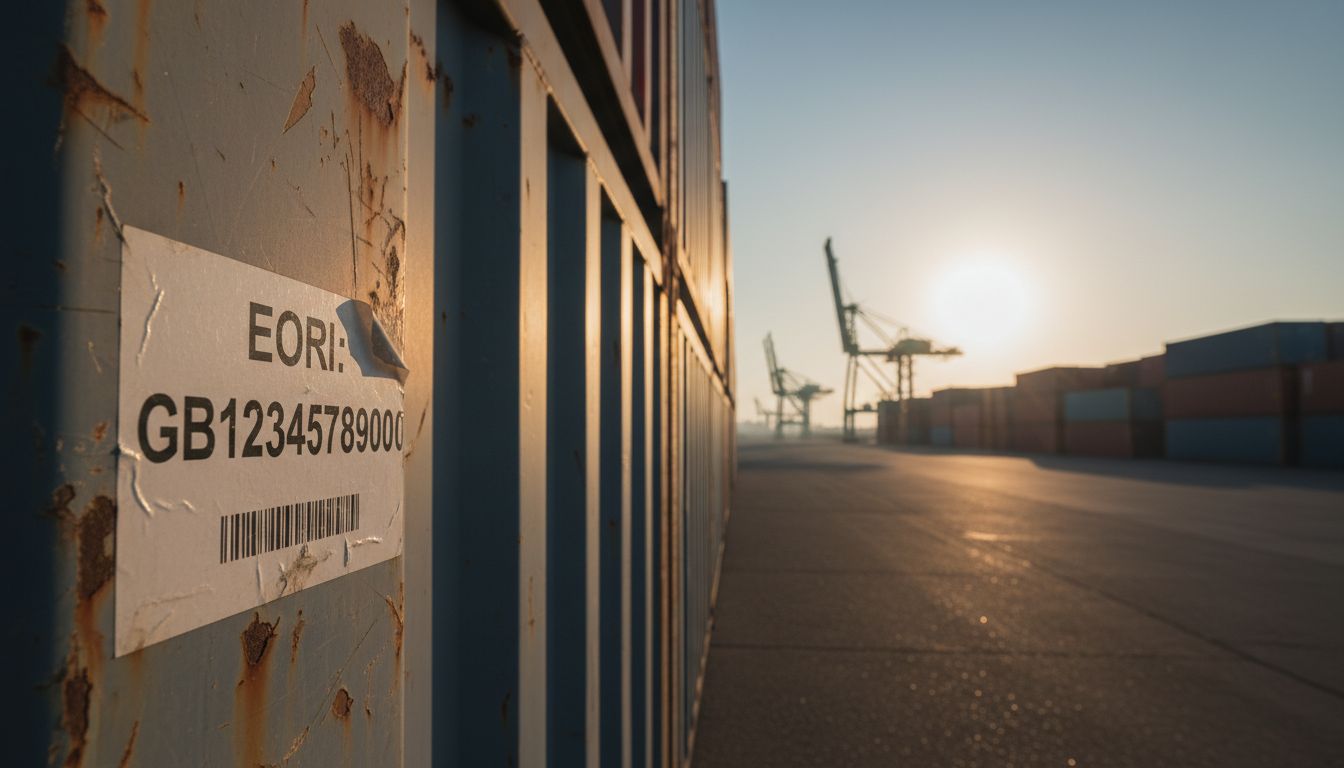
To check EU EORI number validity, importers can consult the relevant national customs authority or use the EU Commission’s online EORI validation tools, which verify the format and registration status of an EORI number [2:6]. The standard format consists of the two-letter ISO country code followed by a unique national identifier, which may include letters and numbers [7:1].
Regular validation helps prevent customs delays, fines, or refusal of customs clearance due to invalid or outdated EORI information.
Key Deadlines and Obligations for EU Importers
EU importers must ensure they obtain their EORI number before engaging in customs activities. There is no specific deadline for obtaining an EORI number, but it must be in place before lodging customs declarations or importing goods.
Customs authorities require the EORI number to be included in all customs declarations and related documentation. Failure to provide a valid EORI number can result in delays or penalties [1:4].
Additionally, importers subject to CBAM must comply with reporting obligations linked to their EORI number from the moment the regulation applies to their goods [4:4].
If circumstances change, such as cessation of business activities requiring an EORI, the operator must notify the customs authority to request invalidation of the EORI number [6:2].
FAQ
How to check EORI number validity EU?
You can check the validity of an EU EORI number by consulting the relevant national customs authority or using the EU Commission’s online EORI validation tools, which verify registration status and format compliance [2:7].
What is EORI number for customs?
An EORI number is a unique identification number assigned to economic operators for customs purposes within the EU. It is used in customs declarations and procedures to identify the operator consistently across all Member States [1:5].
Is EORI number mandatory for import EU?
Yes, an EORI number is generally mandatory for any economic operator importing goods into the EU customs territory and engaging in customs activities [1:6].
How to get an EORI number EU?
To get an EORI number, apply to the customs authority of the EU Member State where your business is established. The application requires submitting identification data, which the authority verifies before issuing the number [8:3].
What information is linked to EORI number?
The EORI number is linked to detailed data including the operator’s name, address, VAT or TIN numbers, legal status, economic activity, contact details, and registration dates [3:5][5:3].
EORI number format EU?
The EORI number format consists of the two-letter ISO country code of the issuing Member State followed by a unique national identifier, which may include letters and numbers [7:2].
Can an EORI number be invalidated?
Yes, customs authorities can invalidate an EORI number upon the operator’s request or when the operator ceases activities requiring registration. The invalidation date is recorded and communicated to the operator [6:3].
Sources
[Commission Delegated Regulation (EU) 2015/2446 of 28 July 2015 supplementing Regulation (EU) No 952/2013 of the European Parliament and of the Council as regards detailed rules concerning certain provisions of the Union Customs Code, Article 1](https://eur-lex.europa.eu/legal-content/EN/TXT/HTML/?uri=CELEX:32015R2446)